
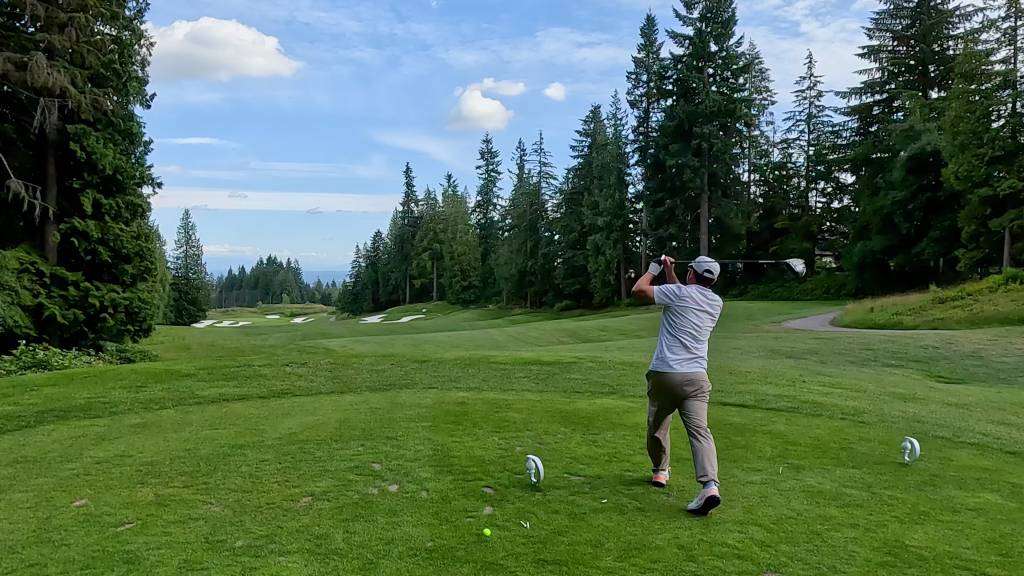
A Guide to Selling Golf Stock Footage
The manicured greens, the focused swing, the satisfying drop of the ball into the cup—golf is a sport of precision, patience, and picturesque landscapes. It’s also a highly marketable niche for videographers looking to sell stock footage. From commercials to corporate videos and social media content, the demand for high-quality golf clips is consistently strong. But how do you go from filming a day on the course to earning passive income? This guide will walk you through the essentials of creating and selling sought-after golf stock footage on platforms like Adobe Stock.

1. Gear Up: What You’ll Need
You don’t need a Hollywood budget, but quality is key.
- Camera: A camera that shoots in high-definition (HD) is the minimum, but 4K is the industry standard and will make your footage more valuable and future-proof.
- Lenses: A versatile zoom lens is great for capturing a variety of shots, from wide-angle views of the course to tight shots of the ball. A prime lens with a wide aperture can create a beautiful, shallow depth of field for more cinematic shots.
- Tripod: Shaky footage is unusable. A sturdy tripod is essential for stable, professional-looking shots.
- Gimbal/Stabilizer: For smooth, dynamic shots following a player or the ball, a gimbal is a game-changer.
- Drone (Optional): Aerial shots of a golf course can be breathtaking and are in high demand. Make sure you’re legally allowed to fly a drone at your chosen location and follow all local regulations.
2. Plan Your Shots: What Buyers Are Looking For
Think like a video editor. What kind of clips would you need to create a compelling golf-themed video?
- The Classics:
- Teeing off (various angles: close-up, wide shot, from behind)
- Swings (full-speed and slow motion)
- Putting (close-ups of the ball dropping in the hole are a must!)
- Golfers walking down the fairway
- Searching for a ball in the rough
- Bunker shots (the sand explosion is a great dramatic element)
- The Details (B-Roll):
- Close-ups of clubs, balls, and tees
- Shots of the golf cart in motion
- The flagstick on the green
- Scorecard and pencil
- Beautiful course landscapes (think sunrises, sunsets, and water features)
- The People:
- Shots of golfers celebrating a good shot
- The focused, determined look of a player
- Groups of friends enjoying a game
- A diverse range of players (age, gender, ethnicity) to broaden the appeal of your footage
Pro Tip: If you feature recognizable people, you’ll need a model release for each person. This is a legal document that gives you permission to sell footage of them for commercial purposes.
3. The Shoot: Tips for a Successful Day on the Course
- Lighting is Everything: The “golden hours” of early morning and late afternoon provide the best light, casting long shadows and a warm glow. Avoid the harsh, direct sunlight of midday if possible.
- Framing and Composition: Use the rule of thirds to create visually interesting shots. Look for leading lines, like the curve of a fairway, to draw the viewer’s eye.
- Variety is Key: Capture each scene from multiple angles and distances. This gives buyers more options and increases your chances of a sale. For example, your earnings of $31.50 from a video 1 could be from a single well-captured shot that a buyer found useful. Another video earning $8.60 2 shows that even shorter, simpler clips can generate income.
- Think in Clips: Stock footage is sold in short clips, typically 5-30 seconds long. Each clip should focus on a single, clear action or scene.
4. Post-Production: Polishing Your Footage
- Editing: Trim your clips to the essential action. Don’t add music, text, or heavy-handed effects.
- Color Correction: Enhance the natural colors of the scene. Make the grass green and the sky blue, but keep it looking realistic.
- Keywording and Tagging: This is one of the most important steps! Think like a buyer and use descriptive keywords. Be specific: “golfer putting on green,” “slow-motion golf swing,” “aerial view of golf course.” Include broader terms as well, like “sports,” “leisure,” “retirement,” and “luxury.”
- Titles and Descriptions: Write a clear, concise title and a detailed description for each clip.
5. Selling Your Footage: Choosing a Platform
Platforms like Adobe Stock, Shutterstock, and Pond5 are popular choices for selling stock footage. Each has its own submission process and royalty structure, so do your research to see which one is the best fit for you.
Selling golf stock footage can be a rewarding way to combine your passion for videography and the sport. By focusing on quality, planning your shots, and mastering the art of keywording, you can create a valuable portfolio that generates income for years to come.
Here are some sample golf stock footage clips I’ve sold on adobe stock shot on a Panasonic GH5 and Gopro 11. It shows you that you can sell golf clips with different camera’s.
